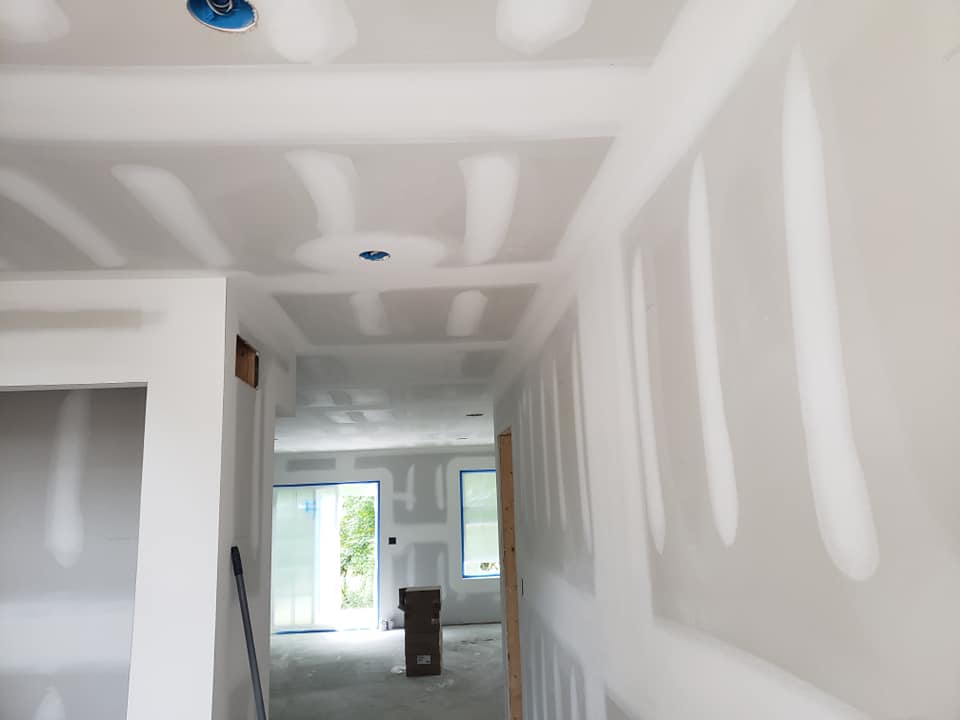
Understanding Different Types of Drywall
Drywall is a crucial building material used in the construction and renovation of homes and commercial properties. Understanding the different types of drywall can help you make informed decisions for your projects. This guide explores the various types of drywall available, their uses, and their benefits.
What is Drywall?
Drywall, also known as gypsum board or plasterboard, is a construction material made from gypsum plaster sandwiched between two sheets of thick paper. It is widely used for interior walls and ceilings due to its affordability, ease of installation, and fire-resistant properties.
Types of Drywall
There are several types of drywall, each designed for specific applications. Here are the most common types:
- Regular Drywall (Standard)
- Moisture-Resistant Drywall (Green Board)
- Fire-Resistant Drywall (Type X)
- Soundproof Drywall
- Impact-Resistant Drywall
- Flexible Drywall
- Eco-Friendly Drywall
1. Regular Drywall (Standard)
Regular drywall is the most commonly used type. It is suitable for most interior applications and is available in various thicknesses. It's easy to install and finish, making it a popular choice for residential and commercial projects.
2. Moisture-Resistant Drywall (Green Board)
Moisture-resistant drywall, often referred to as green board, is designed for areas with high humidity, such as bathrooms and kitchens. It has a special coating that helps prevent mold and mildew growth.
3. Fire-Resistant Drywall (Type X)
Fire-resistant drywall, or Type X, contains glass fibers that enhance its fire-resistant properties. It is commonly used in commercial buildings and in areas where fire safety is a concern, such as garages or between living spaces.
4. Soundproof Drywall
Soundproof drywall is designed to reduce sound transmission between rooms. It is made with a denser core and additional layers, making it ideal for home theaters, music studios, or multi-family housing.
5. Impact-Resistant Drywall
Impact-resistant drywall is designed to withstand high levels of wear and tear. It is thicker and made with reinforced materials, making it suitable for high-traffic areas like hallways and schools.
6. Flexible Drywall
Flexible drywall is used for curved walls and ceilings. It can be bent to fit various shapes, making it a versatile option for creative designs in commercial and residential projects.
7. Eco-Friendly Drywall
Eco-friendly drywall is made from recycled materials and is designed to minimize environmental impact. It is a great choice for green building projects aiming for sustainability.
Choosing the Right Type of Drywall
When selecting drywall for your project, consider the following factors:
- Location of installation (e.g., high humidity areas, fire risk zones)
- Purpose of the space (e.g., soundproofing for a home theater)
- Budget constraints (different types have varying costs)
- Installation ease and requirements
Conclusion
Understanding the different types of drywall can significantly impact the quality and longevity of your construction or renovation project. By considering the specific needs of your space, you can choose the right type of drywall that meets your requirements, ensuring a successful outcome.