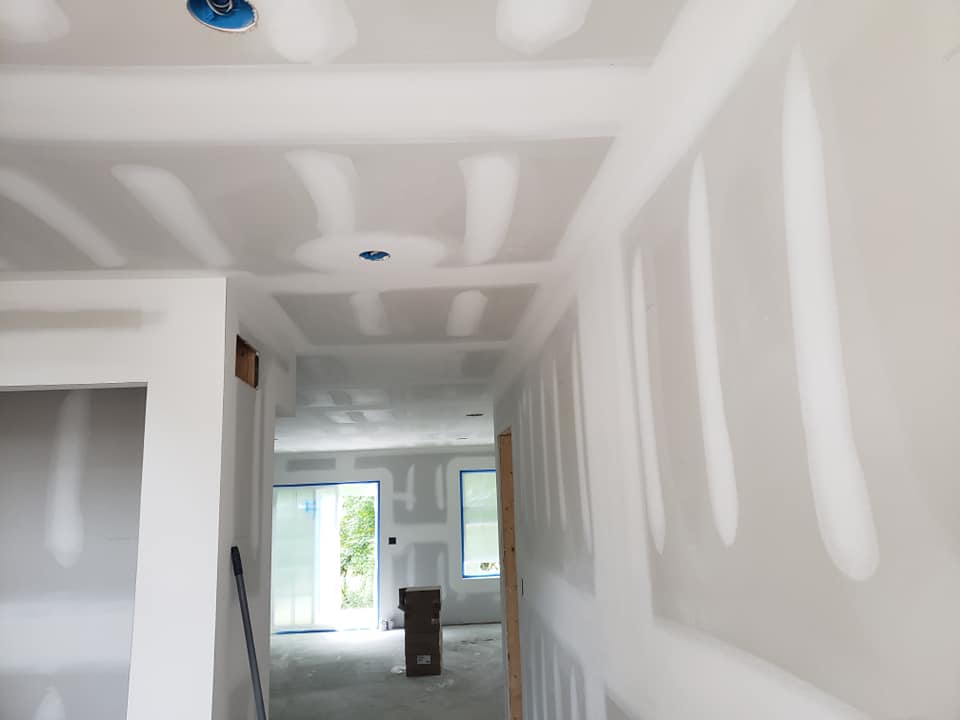
Eco-Friendly Drywall Options for Sustainable Homes
As the demand for sustainable construction practices continues to rise, homeowners and builders alike are seeking eco-friendly drywall options. This blog will explore the various types of eco-friendly drywall available, their benefits, and how they contribute to sustainable building.
What is Eco-Friendly Drywall?
Eco-friendly drywall refers to drywall products that are manufactured using sustainable practices and materials. They aim to minimize environmental impact while maintaining durability and performance.
Key Characteristics of Eco-Friendly Drywall
- Made from recycled materials
- Low in volatile organic compounds (VOCs)
- Biodegradable or recyclable
- Energy-efficient production methods
Types of Eco-Friendly Drywall
There are several types of eco-friendly drywall options available in the market today. Here are some of the most popular choices:
1. Recycled Paper Drywall
This type of drywall uses recycled paper as the facing, which reduces waste. It is also lighter than traditional drywall, making it easier to handle.
2. Gypsum Board with Recycled Content
Gypsum board made with recycled content reduces the need for virgin materials. This type is commonly used in green building projects.
3. Cement Board
Made primarily from cement, this board is an excellent choice for moisture-prone areas and is often used in eco-friendly homes.
4. Fiberboard
Composed of wood fibers and other organic materials, fiberboard is a sustainable option that provides good insulation.
Benefits of Using Eco-Friendly Drywall
Choosing eco-friendly drywall comes with numerous benefits for both homeowners and the environment.
- Improves indoor air quality by reducing VOC emissions
- Contributes to LEED certification points for sustainable building
- Enhances energy efficiency in homes
- Supports recycling and reduces landfill waste
Considerations When Choosing Eco-Friendly Drywall
While eco-friendly drywall options are beneficial, there are several factors to consider before making a purchase.
- Cost: Eco-friendly options can be more expensive than traditional drywall.
- Availability: Check local suppliers for stock.
- Fire resistance: Ensure the product meets safety standards.
- Moisture resistance: Important for areas prone to humidity.
How to Incorporate Eco-Friendly Drywall in Your Home
Incorporating eco-friendly drywall into your home involves careful planning and consideration. Here are some steps to guide you:
- Assess your home's needs and design.
- Research local suppliers for eco-friendly options.
- Consult with a professional contractor experienced in sustainable building.
- Consider additional eco-friendly materials for insulation and finishes.
Conclusion
Eco-friendly drywall options are a pivotal choice in creating sustainable homes. By selecting materials that minimize environmental impact, homeowners can contribute to a healthier planet while also enjoying the benefits of improved indoor air quality and energy efficiency. As you plan your next construction or renovation project, consider incorporating these eco-friendly options for a more sustainable future.